
Accessible travel guide
Accessible travel planning checklist: what to confirm before you book
A practical checklist for confirming transportation, lodging, routes, restrooms and backup plans for a more accessible trip.
Write down the access needs that matter for this trip
Accessibility is specific. A property marked accessible may not have the doorway width, transfer space, bed height, shower setup, sensory environment or transportation connection a traveler needs. Create a short personal checklist before contacting providers so every conversation covers the same requirements.
Include mobility equipment dimensions, transfer needs, walking or rolling distance limits, seating needs, medication timing, dietary requirements, communication preferences and the role of any companion or caregiver.
Confirm lodging details directly
Do not rely only on a booking filter. Contact the property and ask for specific features. Record the name of the person who confirms the room, the date of the conversation and any reservation notes or reference number.
- Step-free route from arrival point to the room
- Doorway clearances and turning space
- Bathroom layout, grab bars and shower or tub configuration
- Bed height and space beside the bed
- Elevator access and an emergency evacuation plan
Map the whole route, not just the destination
A venue may be accessible while the route to it is not. Check transfers between the airport, station, hotel and planned activities. Note surfaces, grades, curb cuts, elevator locations, restroom access and realistic distances between rest points.
For air travel, confirm assistance and mobility-device procedures with the airline and airports involved. For trains, rideshare, taxis, rentals or tours, ask the provider what equipment can be accommodated and how far in advance arrangements are required.
Build a backup plan for the fragile points
Identify the parts of the itinerary that depend on one elevator, one accessible vehicle or one tightly timed transfer. Add an alternative route, contact number or lower-energy activity for those points. Keep essential medical and mobility information available offline.
This checklist is for personal organization, not medical, legal or accessibility advice, and it cannot guarantee access. Confirm current details with the airline, lodging provider, venue, transportation operator and qualified professionals before travel.
Put the guide into practice
Related printable planners
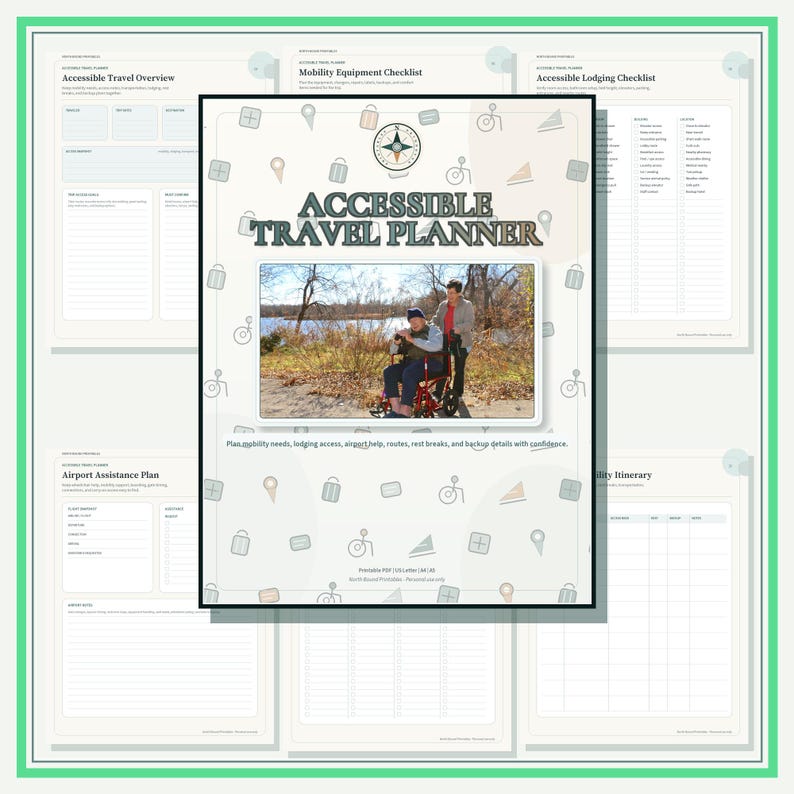
Trip Essentials
Accessible Travel Planner
Accessible lodging, transport and attraction checklists for mobility needs.
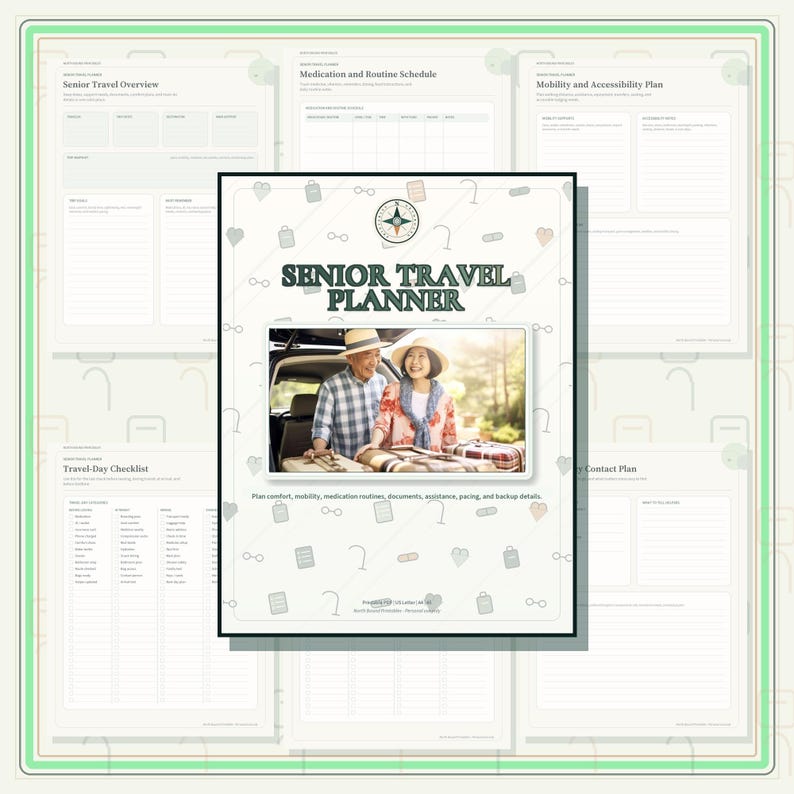
Trip Essentials
Senior Travel Planner
Medication, mobility and emergency info checklists for older travelers.
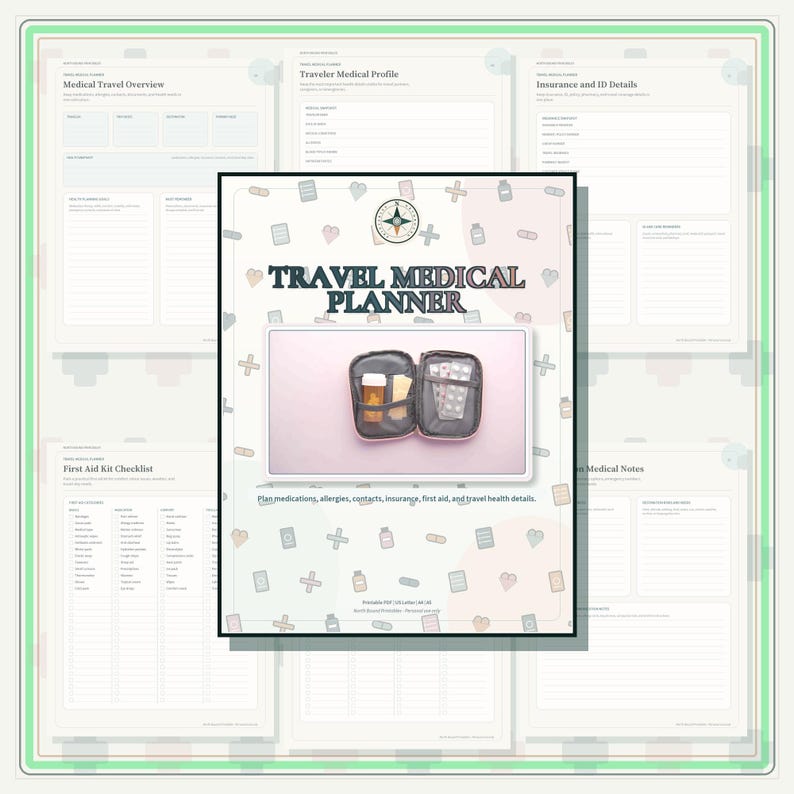
Trip Essentials
Travel Medical Planner
Medication schedules, allergies, insurance and first aid in one place.